Frizzy hair can feel like a daily battle. You style it perfectly in the morning, but by afternoon, you’re dealing with a halo of flyaways. Understanding what causes frizzy hair is the first step toward getting smooth, manageable locks.
Let’s break down the science and lifestyle factors that turn sleek strands into a frizzy mess.
The Science Behind Hair Frizz
Your hair cuticle is like armor made of overlapping scales. When these scales lie flat, your hair looks smooth and shiny. But when they lift up, moisture from the air sneaks in. This causes each strand to swell and stand out at odd angles.
Humidity is frizz’s best friend. The moisture in the air makes your hair absorb water like a sponge. This is why your hair might look great indoors, but turns into a puffball the moment you step outside in Fresno’s warmer months.
But humidity isn’t the only culprit. Your hair’s natural structure plays a role, too.
Hair Texture and Porosity Matter
Some people are just more prone to frizz. Curly hair and wavy hair have more surface area for moisture to penetrate. The natural bends and curves in textured hair make cuticles lift more easily than straight strands.
Hair porosity determines how well your hair absorbs and retains moisture. High porosity hair has gaps in the cuticle layer. These gaps let moisture rush in and out quickly, creating frizz. Low porosity hair repels moisture, but when products build up, it can still look frizzy and dull.
Your hair’s natural texture isn’t something you can change. But you can work with it instead of against it.
Heat Damage Creates Long-Term Frizz
Flat irons and curling irons might give you temporary smoothness. But excessive heat weakens your hair’s protein structure. This damage shows up as split ends, breakage, and yes, frizz that won’t quit.
Blow drying without a heat protectant is particularly harsh. The high temperatures literally boil the water inside your hair shaft. This creates bubbles that damage the cuticle from the inside out.
Consider these heat styling tips:
- Always use a heat protectant spray before styling
- Keep your tools below 350°F when possible
- Air dry whenever you can
- Use the cool shot button on your blow dryer to seal the cuticle
Chemical Treatments Weaken Hair Structure
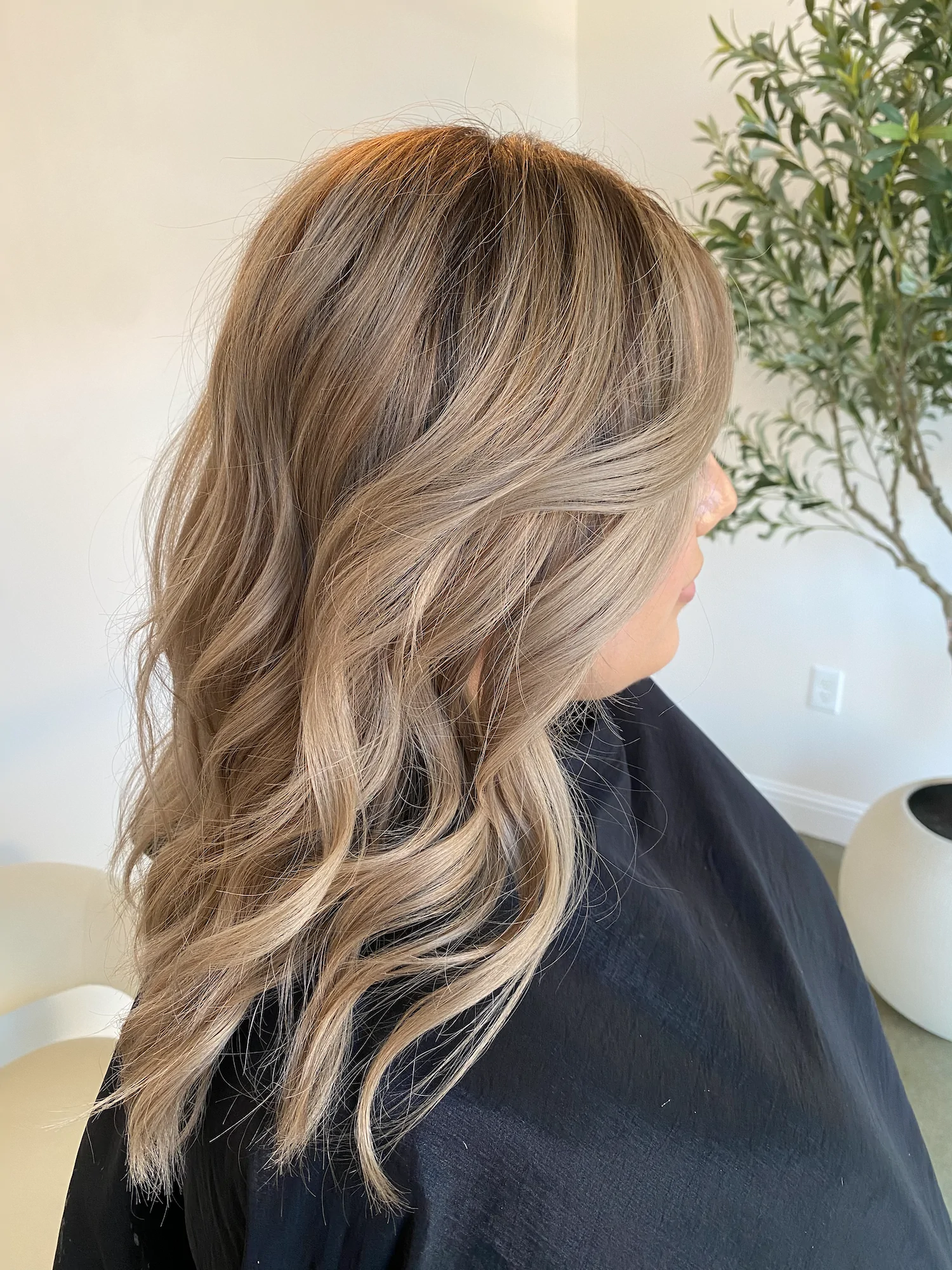
Hair color, bleach, and chemical straighteners all alter your hair’s natural structure. These treatments open up the cuticle to deposit or remove pigment. Even after the process is complete, those cuticles may never lie completely flat again.
Keratin treatments promise to eliminate frizz. And they do work temporarily. But formaldehyde and similar chemicals can actually make your hair more prone to damage over time.
If you love your color or chemical treatments, that’s okay. Just know that maintaining hair health requires extra conditioning and protein treatments to compensate for the structural changes.
Over-Washing Strips Natural Oils
Your scalp produces sebum, a natural oil that coats and protects each strand. When you wash your hair too frequently, you strip away this protective layer. Your hair becomes dry and more susceptible to frizz.
Most people don’t need to shampoo every day. Two to three times per week is plenty for many hair types. On off days, use a dry shampoo or just rinse with water.
And speaking of washing, harsh sulfate shampoos are particularly drying. They clean effectively but leave your hair vulnerable to moisture absorption from the environment.
The Wrong Products Make Things Worse
Hair products matter more than you might think. Heavy silicones can build up on your hair, making it look weighed down and frizzy. But skipping products altogether leaves your cuticles unprotected.
Alcohol-based products are another problem. That light, quick-drying hairspray might seem convenient. But alcohol dries out your hair shaft and makes frizz worse over time.
Look for products with these moisturizing ingredients:
- Argan oil
- Coconut oil
- Shea butter
- Glycerin
- Hyaluronic acid
Environmental Factors You Can't Control
Living in Fresno means dealing with various weather conditions. Hot, dry summers can dehydrate your hair just as much as humid conditions cause frizz. UV exposure breaks down the protein bonds in your hair, leading to weakness and frizz.
Hard water is common in California. The mineral deposits in hard water coat your hair and prevent moisture from penetrating properly. This creates a rough texture that looks and feels frizzy.
Consider installing a shower filter to reduce mineral buildup. Always protect your hair from the sun with hats or UV protection spray during Fresno’s intense summer months.
Rough Handling Damages Delicate Strands
The way you treat wet hair makes a huge difference. Wet hair is incredibly fragile. Rubbing it vigorously with a regular towel creates friction that roughens up the cuticle.
Instead, gently squeeze excess water with a microfiber towel or an old t-shirt. Never brush wet hair with a regular brush. Use a wide-tooth comb and start from the ends, working your way up.
Even your pillowcase matters. Cotton pillowcases create friction while you sleep. Silk pillowcases or satin bonnets let your hair glide smoothly, significantly reducing morning frizz.
Nutritional Deficiencies Show in Your Hair
What you eat affects your hair texture. Protein deficiencies weaken hair structure. Low iron levels can cause hair to become brittle and frizzy. Not drinking enough water dehydrates your hair from the inside out.
Your hair needs these nutrients:
- Protein for structure and strength
- Omega-3 fatty acids for shine and flexibility
- Biotin for overall hair health
- Iron for proper growth
- Vitamin E for moisture retention
Get Professional Frizz Solutions at Cultivate Beauty Lounge
At Cultivate Beauty Lounge in Fresno, our stylists understand the unique challenges of managing frizzy hair in California’s climate. We offer customized smoothing treatments, deep conditioning services, and expert styling techniques that work with your hair’s natural texture.
Our team can analyze your specific hair type and create a personalized treatment plan. From professional keratin alternatives to moisture-rich treatments, we’ll help you achieve the smooth, healthy hair you deserve.
Book your consultation today and discover how professional care makes all the difference in taming frizz for good.